A leaking shower pan rarely announces itself. The water goes down, not out, so by the time you notice a stain, a soft spot or a musty smell, it may have been leaking for a while.
This guide from Big Easy Bathrooms covers what a shower pan does, the warning signs to watch for, and how to tell when a repair will do and when the pan needs replacing.
What does a shower pan do?
The shower pan is the waterproof floor of the shower. It catches water and sends it to the drain, and it keeps water out of the floor underneath.
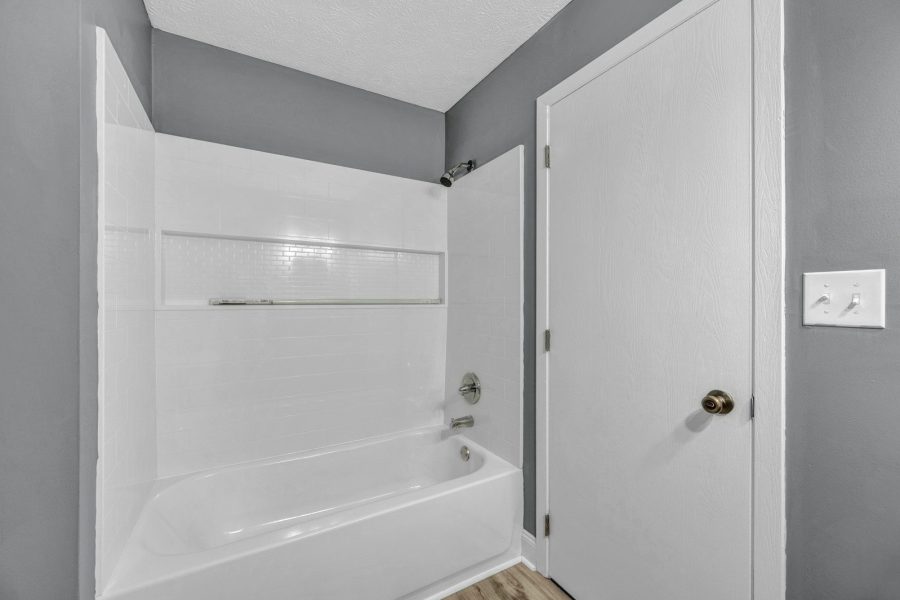
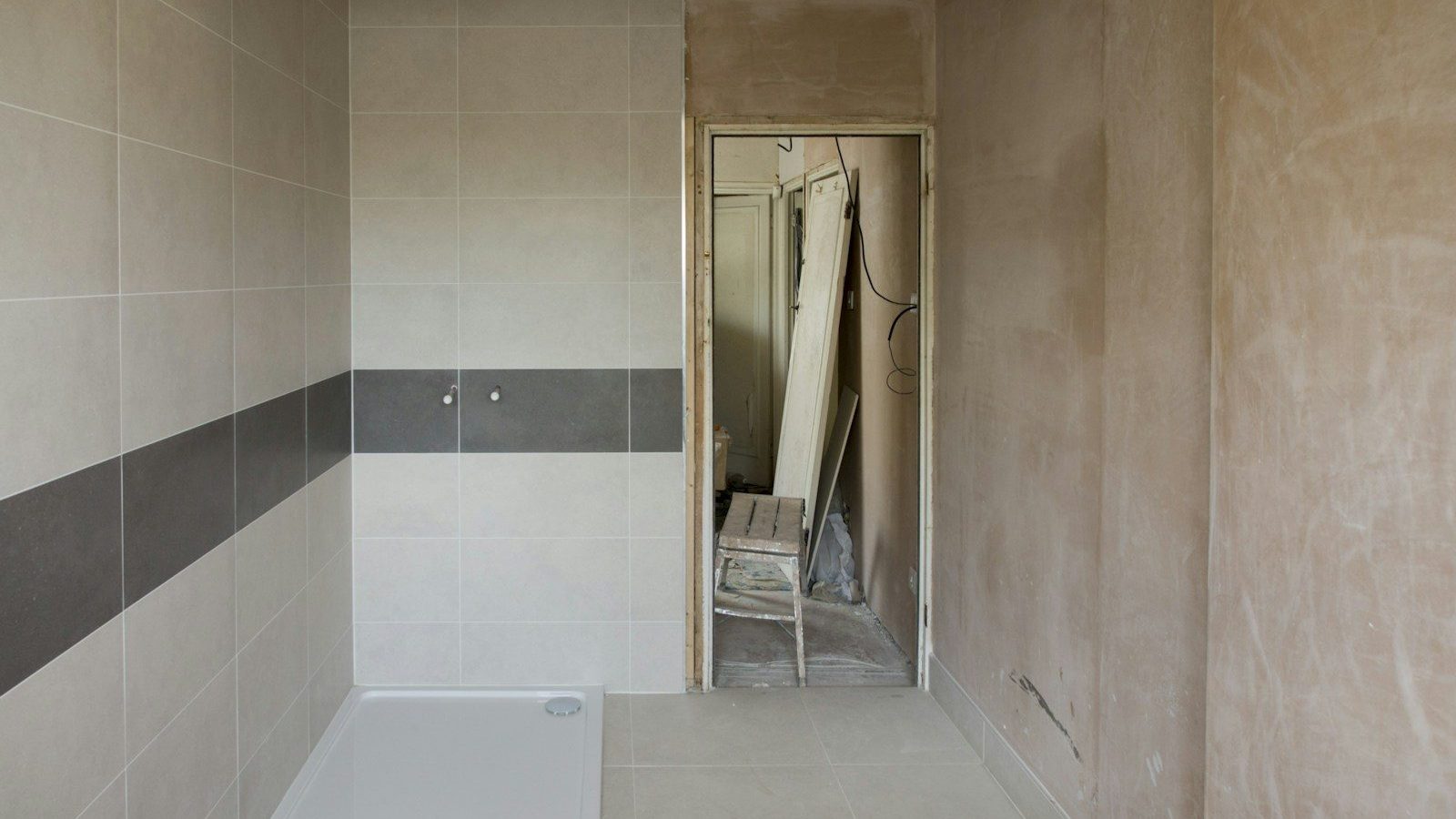
In a tiled shower, the pan is usually a waterproof liner or membrane hidden under the tile and mortar. In a prefabricated shower, it’s the one-piece base itself, made of acrylic, fiberglass or molded stone.
Under the residential code, the shower floor slopes toward the drain at a quarter to half an inch per foot. When the slope, the liner or the drain connection fails, water can find its way into the floor instead.
What are the signs of a leaking shower pan?
Look for water where it shouldn’t be: stains below or beside the shower, damp or lifting flooring, loose tiles and a musty smell that doesn’t go away.
- Stains on the ceiling below, if the bathroom is upstairs.
- Damp, discolored or lifting flooring just outside the shower.
- Peeling paint or swelling baseboards on the wall next to the shower.
- Loose or cracked tiles, or grout that keeps crumbling on the shower floor.
- A base that cracks, flexes or feels soft underfoot.
- A musty smell or mold near the bottom of the walls.
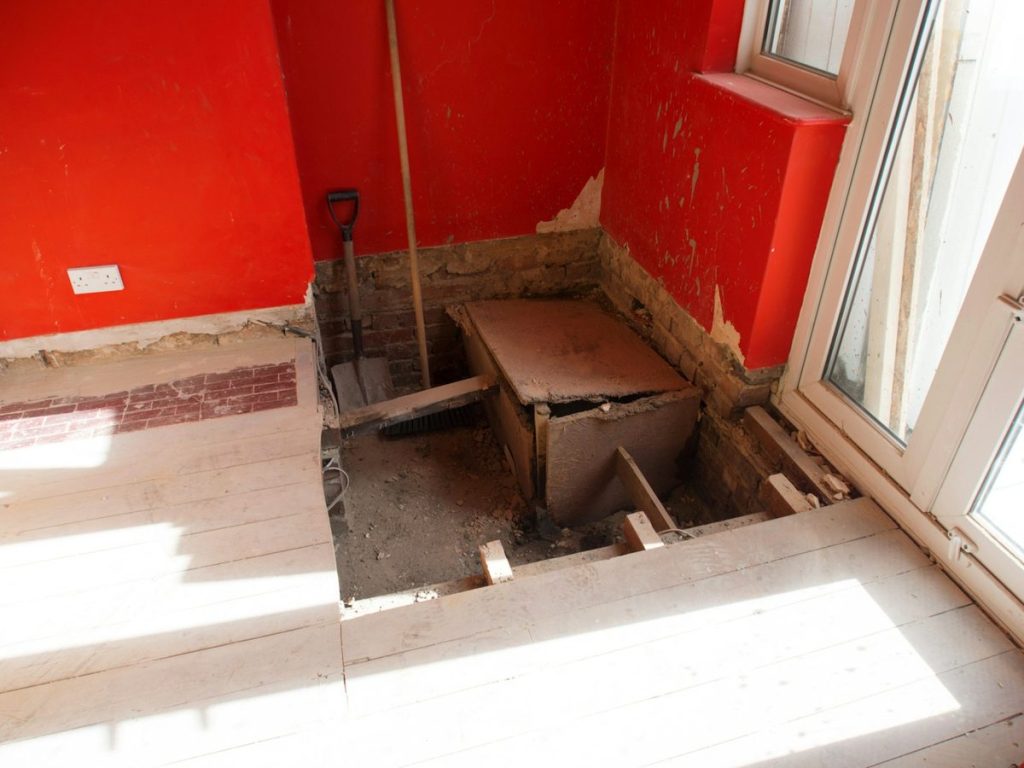
Any one of these on its own can have another cause, such as a leaky valve or a failed seal around the door. Two or more together point strongly to the pan.
What happens if you ignore it?
The water keeps going into the subfloor, the framing and any walls it can reach, and damp, hidden materials are where mold grows.
The EPA’s guide to mold and moisture says to fix leaks as soon as possible and dry wet areas within 24 to 48 hours. It also notes that absorbent materials may have to be thrown away if they become moldy.
That’s why a slow leak often costs more to fix the longer it runs. Catching it early can keep the repair to the shower itself.
Can a leaking shower pan be repaired, or does it need replacing?
It depends on where the water gets through. Worn grout or caulk can often be repaired, but a failed liner under tile or a cracked one-piece base usually means replacing the pan.
| What you find | Usual fix |
|---|---|
| Cracked grout or gaps in the caulk, with a sound floor | Re-grout, seal and re-caulk |
| A leak at the drain connection | Repair or replace the drain assembly |
| A failed liner under a tiled floor | Remove the shower floor and replace the pan |
| A cracked or flexing one-piece base | Replace the base, and check the floor under it |
If water has spread well beyond the shower, a full replacement is often the better value. Our article on why you might need a replacement shower covers that decision.
What should a new shower pan include?
A pan set level and secure, the right waterproofing, a properly installed drain and a floor that slopes to it. For a site-built pan, the code also calls for a water test before the tile goes down.
That test plugs the drain and holds water in the pan for at least 15 minutes to check for leaks. It’s much easier to catch a problem then than after the tile is set.
We install tile shower bases, molded stone bases, and acrylic and fiberglass shower pans, measured to your space. See our shower bases and replacement showers pages, or contact Big Easy Bathrooms and call 504-688-7786 for a free estimate.
Frequently asked questions
How can I tell if the shower pan or the plumbing is leaking?
A leak that shows up only when water runs across the floor points to the pan or the drain. A contractor can test the pan, the drain and the valve separately to narrow it down. A pan test plugs the drain and holds water in the pan to see whether it leaks.
Can I just re-caulk a leaking shower?
If the leak comes from gaps in the caulk and the floor is sound, fresh caulk may fix it. If the liner under the tile has failed, caulk won’t stop the water from reaching the floor below.
Is a one-piece shower base less likely to leak than tile?
A one-piece base has no grout lines on the floor, so there are fewer places for water to get through. It still depends on a sound drain connection and a level, well-supported install.
Should I replace just the pan or the whole shower?
If the walls are sound and dry, replacing the pan may be enough. If water has been getting behind the walls too, replacing the whole shower is usually the more lasting fix.