
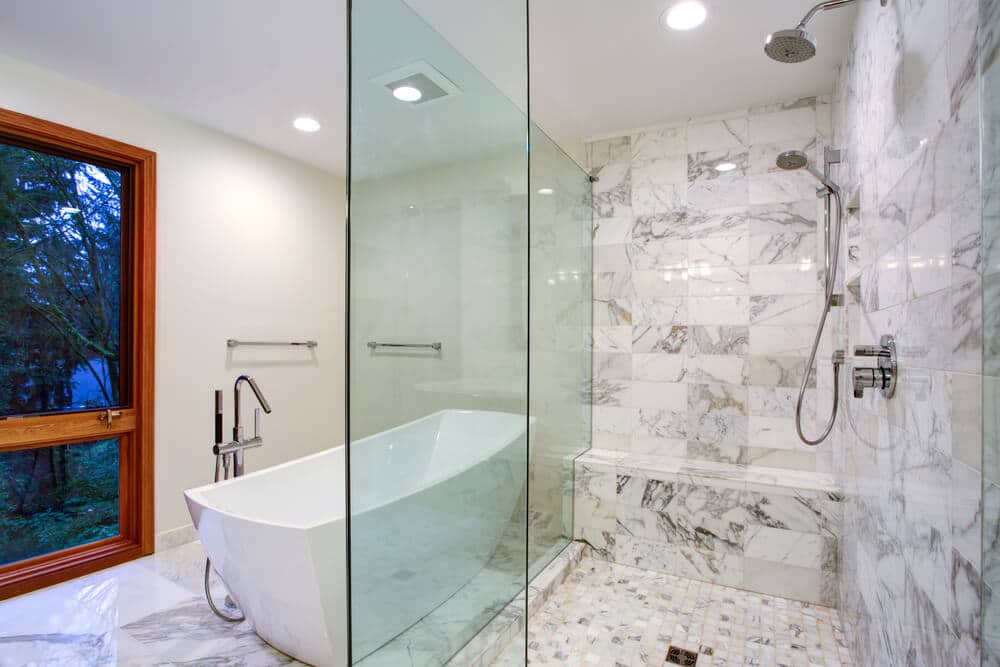
Your bathroom should be a sanctuary, not a source of stress. But let’s be honest, keeping bathtub wall surrounds looking pristine can feel like a full-time job. Between soap scum, hard water stains, and mildew lurking in corners, those walls take a beating daily. The good news? With the right approach, maintaining your bathtub wall surrounds doesn’t have to consume your weekends.
Whether you’ve got acrylic, fiberglass, tile, or another material, understanding proper care techniques will keep your bathroom looking fresh and extend the life of your investment. Big Easy Bathrooms will show you in this blog the practical strategies that actually work, without drowning you in complicated routines you’ll never follow.
Quick Answer
Regular cleaning with mild, non-abrasive cleaners prevents buildup and extends the life of bathtub wall surrounds. Daily wiping after use, weekly deep cleaning, and monthly maintenance checks keep surrounds looking new while preventing mold, mildew, and permanent staining. Different materials require specific care approaches to avoid damage.
Understanding Your Bathtub Wall Surround Material
Before you grab any cleaner, you need to know what you’re working with. Different materials react differently to cleaning products, and using the wrong approach can cause permanent damage.
Common Bathtub Wall Surround Materials
- Acrylic: Non-porous, resistant to staining, but scratches easily with abrasive cleaners
- Fiberglass: Lightweight and affordable, but it can dull over time and requires gentle cleaning
- Tile and grout: Durable and customizable, but grout lines trap moisture and require extra attention
- Solid surface materials: Engineered for durability, typically non-porous and low-maintenance
- Cultured marble: Elegant appearance, but sensitive to acidic cleaners
Check your installation paperwork or manufacturer’s guidelines if you’re unsure. When in doubt, test any new cleaning product on a small, hidden area first. You’ll save yourself from discovering incompatibility on your entire wall.
Here’s the thing: acrylic and fiberglass surrounds make up the majority of installations because they’re cost-effective and easy to install. If you’ve had a bathroom renovation in the past 20 years, you likely have one of these. They’re forgiving materials, but they still need proper care.
Daily Maintenance Habits That Make a Difference
The easiest way to maintain your bathtub wall surrounds? Don’t let problems develop in the first place.
After each shower or bath, take 30 seconds to wipe down your walls with a squeegee or microfiber cloth. This simple step removes water droplets before they dry and leave mineral deposits. It sounds basic, but this habit alone prevents 80% of the buildup you’d otherwise fight weekly.
Keep your bathroom ventilated. Run the exhaust fan during showers and for at least 20 minutes afterward. If you don’t have a fan, crack a window. Moisture is your surround’s worst enemy – it creates the perfect environment for mold and mildew to thrive.
Consider applying a daily shower spray after wiping down the walls. These products create a protective barrier that repels water and soap residue. You can make your own by mixing equal parts white vinegar and water in a spray bottle, though commercial versions often include ingredients that prevent mold growth.
Weekly Deep Cleaning Techniques
Set aside 15-20 minutes once a week for a thorough cleaning. Consistency here prevents the need for aggressive scrubbing later.
Weekly Cleaning Process:
 Spray the entire surface with your chosen cleaner
- Let it sit for 5-10 minutes to break down the buildup
- Scrub gently with a soft sponge or microfiber cloth
- Rinse thoroughly with warm water
- Dry completely with a clean towel
- Inspect corners and seams for early signs of mold
 Spray the entire surface with your chosen cleaner
For acrylic and fiberglass surrounds, stick with pH-neutral cleaners. Dish soap diluted in warm water works surprisingly well. Mix a few drops with water in a spray bottle, and you’ve got an effective, gentle cleaner.
Avoid ammonia-based products on acrylic – they can cause cloudiness over time. Similarly, skip bleach-based cleaners unless you’re dealing with mold (and even then, use sparingly and rinse thoroughly).
Tile surrounds need special attention to grout lines. A soft-bristled brush helps work cleaner into these crevices without damaging the grout. You’ll want to address grout separately from tile surfaces since they absorb moisture and stains differently.
Tackling Soap Scum and Hard Water Stains
These two nemeses of bathroom cleanliness require targeted strategies.
Soap scum forms when soap mixes with minerals in hard water. It creates that filmy, dull coating that makes your surrounds look dingy. The solution? Acidic cleaners that break down the alkaline soap residue.
White vinegar is your best friend here. Heat it in the microwave for 30 seconds (warm, not boiling), spray it on soap scum, wait 10 minutes, then wipe clean. For stubborn buildup, make a paste with baking soda and water, apply it to the area, spray with vinegar (it’ll fizz – that’s normal), then scrub gently.
Hard water stains appear as white or brown crusty deposits, especially around fixtures and in corners where water pools. These mineral deposits need acidic cleaners, too. Lemon juice works well for light staining. For heavier buildup, a commercial lime and calcium remover designed for your specific surround material will save you hours of scrubbing.
Never use abrasive scrubbers like steel wool or scouring pads on acrylic or fiberglass. You’ll create tiny scratches that dull the finish and give grime more places to hide.
Preventing and Removing Mold and Mildew
Mold and mildew aren’t just unsightly – they’re health hazards that can compromise your bathroom’s air quality.
Prevention starts with moisture control. We mentioned ventilation earlier, but it’s worth emphasizing: mold can’t grow in dry conditions. Fix any leaks immediately. Even small drips create constant moisture that feeds mold growth.
When you spot mold, act quickly. Small spots are manageable with household products; extensive growth might require professional intervention.
For minor mold on non-porous surrounds, spray with a solution of one part bleach to ten parts water. Let it sit for 10 minutes, scrub with a soft brush, then rinse thoroughly. Wear gloves and ensure good ventilation when using bleach.
Prefer a natural approach? Tea tree oil is a powerful antifungal. Mix one teaspoon with one cup of water in a spray bottle, apply to moldy areas, and don’t rinse – let it air dry. The smell dissipates, but the protective properties remain.
Grout is particularly susceptible to mold because it’s porous. Consider applying a grout sealer annually. This creates a protective barrier that prevents moisture penetration and makes cleaning easier.
If mold keeps returning in the same spots, you might have a moisture problem behind your walls. This requires professional assessment – surface cleaning won’t solve structural issues.
Smart Product Selection for Different Surround Materials
Walking down the cleaning aisle can be overwhelming. Here’s what actually works for each material type.
For acrylic and fiberglass, look for cleaners labeled “non-abrasive” or “safe for acrylic.” Simple Green, diluted dish soap, or specialized acrylic cleaners all work well. Avoid anything with acetone, which can melt or cloud these materials.
Tile and grout handle stronger cleaners, but gentler is still better for longevity. A neutral pH cleaner works for regular maintenance. Reserve stronger alkaline or acidic cleaners for specific problems like grout stains or mineral buildup.
Solid surface materials are tough but can be scratched. Use the same gentle approach as acrylic. Most manufacturers provide specific cleaning recommendations – follow them to maintain your warranty.
Natural cleaning solutions work across most materials:
- White vinegar (diluted): Cuts soap scum and mineral deposits
- Baking soda paste: Gentle abrasive for stubborn spots
- Hydrogen peroxide: Whitens grout and fights mold
- Dish soap: Daily cleaning without harsh chemicals
Whatever you choose, read labels carefully. “All-purpose” doesn’t always mean safe for all surfaces. When Big Easy Bathrooms installs bathtub wall surrounds, we provide care instructions specific to your chosen material – follow these guidelines to protect your investment and maintain that fresh, clean look.
Monthly Maintenance Inspections
Once a month, do more than clean – inspect.
Check all seams and caulk lines. Caulk deteriorates over time, creating gaps where water can seep behind your surround. Look for discoloration, gaps, or areas where caulk has pulled away from the wall or tub. Small problems become big ones fast in wet environments.
Recaulking isn’t difficult. Remove old caulk completely (a utility knife or caulk removal tool helps), clean and dry the area thoroughly, then apply new waterproof caulk designed for bathrooms. Smooth it with a wet finger or caulk tool before it dries.
Inspect drain areas and overflow covers. Mineral buildup here indicates water isn’t draining properly, which means your surround is staying wet longer than necessary. Clean these thoroughly and address any slow-draining issues.
Look at the condition of the finish. Does it still bead water, or has it become dull and porous? This tells you whether you need to adjust your cleaning routine or consider protective treatments.
Long-Term Protection Strategies
Want your bathtub wall surrounds to look new for years? These strategies extend their lifespan significantly.
Consider applying a protective coating annually. For acrylic and fiberglass, automotive paste wax creates a protective layer that makes water bead up and cleaning easier. Apply it like you would on a car – thin, even coat buffed to a shine. This simple step can restore the glossy appearance of older surrounds.
Water softeners reduce mineral content in your water supply, which means less hard water staining and soap scum formation. If you have particularly hard water (you’ll know – white crusty buildup everywhere), this is worth investigating.
Replace worn shower curtains and doors regularly. Old shower curtains harbor mold and mildew, constantly reintroducing spores to your clean surround. Wash fabric curtains monthly and replace them annually.
For grout, resealing every 12-18 months prevents moisture absorption and staining. It’s a small time investment that saves hours of scrubbing later.
Address plumbing issues immediately. A dripping faucet might seem minor, but constant water exposure accelerates wear on your surround and creates ideal conditions for mold growth.
Your Next Steps for Pristine Bathtub Surrounds
You now have a complete maintenance strategy, but knowledge without action changes nothing.
Start with the daily habit – squeegee or wipe down after use. This single change will revolutionize your bathroom’s appearance with minimal effort. Add the weekly deep clean to your routine, and you’ll prevent most of the problems that plague neglected bathrooms.
Set phone reminders for monthly inspections. Ten minutes of checking caulk, testing drainage, and looking for early warning signs prevents expensive repairs down the line.
If you’re dealing with an old, damaged surround that no amount of cleaning will improve, it might be time for an upgrade. Our team at Big Easy Bathrooms specializes in bathtub wall surround installations that combine durability with easy maintenance – designed to withstand daily use while staying beautiful with minimal effort.
Remember: consistency beats intensity. A few minutes daily outperforms hours of aggressive scrubbing monthly, both for your schedule and your surround’s longevity. Your bathroom should be a retreat, not a renovation project. Treat your surrounds right, and they’ll return the favor with years of reliable service. Contact us today!
Frequently Asked Questions
Use magic erasers cautiously and only on durable surfaces. They’re mildly abrasive and can dull the finish on acrylic and fiberglass surrounds with repeated use. Test on an inconspicuous area first, use gentle pressure, and reserve them for stubborn spots rather than regular cleaning. They work better on tile and solid surface materials.
Yellow stains typically result from iron in water, body oils, or chemical reactions with certain products. Create a paste with baking soda and hydrogen peroxide, apply it to stained areas, cover with plastic wrap to prevent drying, and leave overnight. Rinse thoroughly in the morning. For persistent staining, a specialized oxidizing cleaner for your surround material may be necessary.
Vinegar is safe for acrylic, fiberglass, and most solid surface materials, but avoid it on natural stone surrounds like marble or granite – the acid can etch and dull these surfaces. For tile with cement-based grout, dilute vinegar with water (50/50) and don’t leave it sitting for extended periods. Always rinse thoroughly after cleaning.
Inspect caulk every six months and recaulk when you notice gaps, discoloration, or areas pulling away from surfaces. In typical conditions, quality bathroom caulk lasts 3-5 years. High-moisture bathrooms or surrounds with movement may require more frequent recaulking. Don’t wait for visible problems – deteriorated caulk allows water penetration that can damage the walls behind your surround.
Clean thoroughly first to remove all soap scum and residue. Apply automotive paste wax or a specialized acrylic polish in circular motions with a soft cloth, then buff to a shine. This fills minor scratches and creates a protective barrier. For deeper scratches or severely dulled finishes, professional refinishing or replacement might be necessary. Regular waxing (2-3 times yearly) maintains the glossy appearance.