You scrub the shower, the dark spots fade, and a couple of weeks later they’re back. In South Louisiana that cycle is familiar, and it usually says more about moisture than about how hard you clean.
Here’s why shower mold keeps returning, what the EPA recommends, and when new shower surfaces are the real fix, from the team at Big Easy Bathrooms.
Why does shower mold keep coming back?
Mold needs moisture, and a shower that stays damp between uses gives it a steady supply. Cleaning removes what you can see, while the moisture brings it back.
The usual culprits are humid air, a bathroom that never dries out, porous grout, caulk that has pulled away, and small leaks you can’t see. Each one keeps a surface wet long after the water is off.
The EPA’s advice starts with the water: fix plumbing leaks and other water problems as soon as possible, and dry wet areas within 24 to 48 hours.
How does South Louisiana’s humidity make it worse?
The air here is already damp, so a bathroom has less room to dry out after a shower.
Long-term NOAA climate records for New Orleans show average relative humidity of 87 percent at 6 a.m. and 62 percent at noon. That’s before anyone runs a hot shower.
The EPA’s guide to mold and moisture suggests keeping indoor humidity below 60 percent, and ideally between 30 and 50 percent. In a bathroom, that takes steady ventilation.
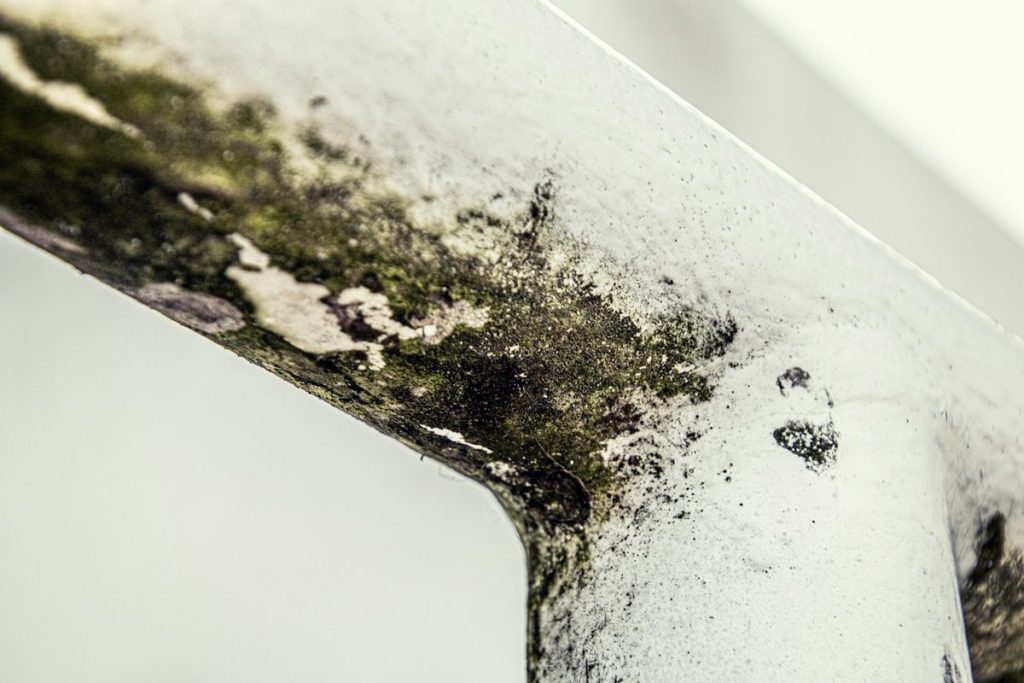
Where does shower mold usually hide?
In the places that stay wet longest and get cleaned least: the seams, corners and anything that traps water against a surface.
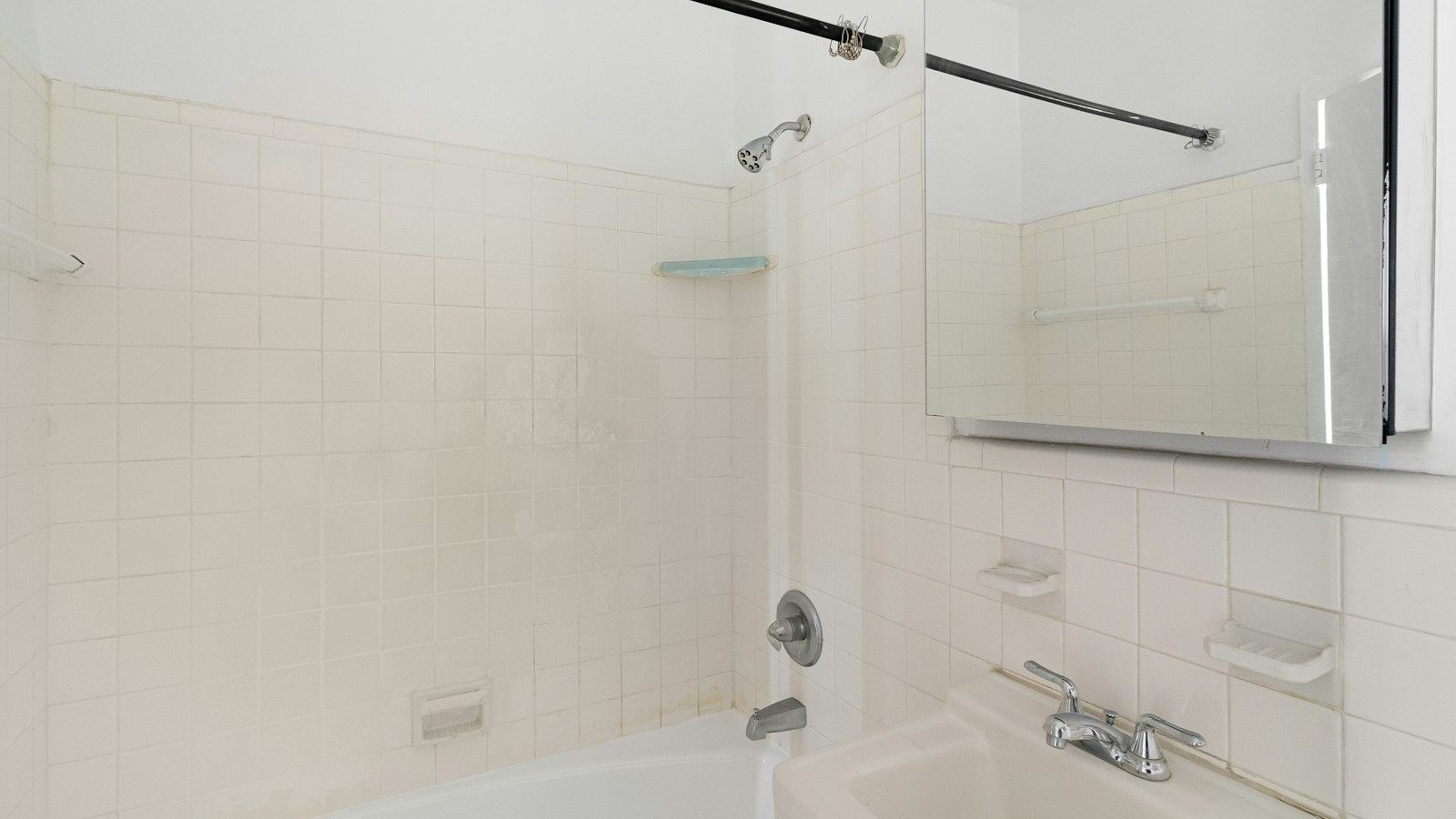
- Grout lines near the floor and in the corners of the stall.
- The caulk joint where the walls meet the tub or shower base.
- The bottom edge of a glass door and the track it slides in.
- Under shampoo bottles, caddies and bath mats.
- The folds of a shower curtain or liner.
- The ceiling above the shower, where steam collects.
Checking these spots once a week catches mold while it’s still a surface problem.
What does the EPA recommend for cleaning shower mold?
Scrub mold off hard surfaces with detergent and water, dry them completely, and fix whatever keeps them wet.
If the moldy area is smaller than about 10 square feet, the EPA says you can usually handle it yourself. For bigger patches, it points to its more detailed cleanup guidance.
Porous materials are a different story. The EPA notes that absorbent materials may have to be thrown away if they become moldy, and that includes things like a ceiling tile or a drywall patch near the shower.
How does ventilation help?
Run an exhaust fan that vents outdoors during and after every shower. The EPA specifically says bathroom fans should move moisture to the outside, not into the attic.
- Leave the fan running until the mirror clears.
- Squeegee or wipe the walls and glass after showering.
- Leave the shower door or curtain open so the stall can dry.
- Hang wet towels and bath mats where they can dry fully.
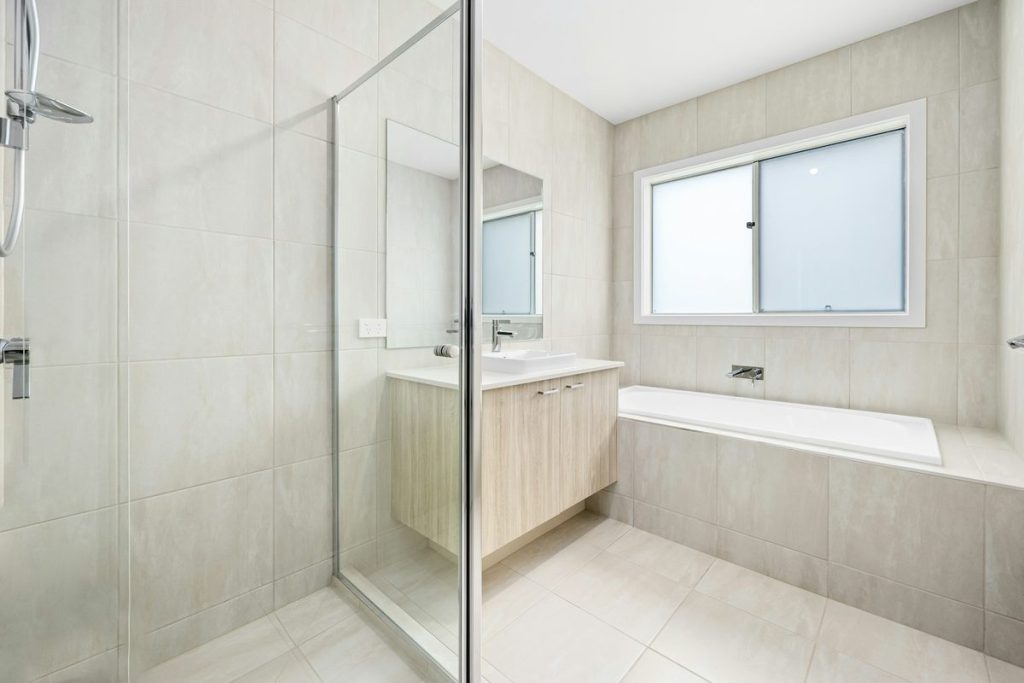
For more on fans and airflow, read our article on the importance of proper bathroom ventilation.
When are new shower surfaces the real fix?
When mold lives inside grout or caulk that can’t be cleaned, or when water is getting behind the tiles or panels.
| What you see | Likely cause | Fix |
|---|---|---|
| Spots that wipe off the surface | Humidity and slow drying | Clean, then improve ventilation |
| Stains deep in the grout lines | Porous grout holding moisture | Re-grout and seal |
| Dark caulk along the tub or base | Caulk that has failed and trapped water | Remove and replace the caulk |
| Loose tiles, soft spots or a musty smell | Water getting behind the walls | Open up and replace the damaged surfaces |
We install custom tile showers and pre-made acrylic or fiberglass shower surrounds, which have far fewer seams than tile. If you suspect water behind the walls, contact Big Easy Bathrooms or call 504-688-7786 for a free estimate.
Frequently asked questions
Do I need bleach to clean shower mold?
Not necessarily. The EPA’s advice for hard surfaces is to scrub with detergent and water and dry them completely. The bigger win is stopping the moisture that feeds the mold.
How long should the bathroom fan run after a shower?
Until the mirror and walls are clear of condensation, and a little longer on muggy days. A fan that vents outdoors does the most good.
Should I re-grout or replace the shower?
If the tiles are solid and the stains sit only in the grout, re-grouting and sealing may be enough. If tiles are loose or the wall feels soft, water is likely getting behind them, and replacing the surround is the real fix.
Can a shower curtain liner cause mold?
It can hold moisture in its folds, which gives mold a place to start. Leave the liner spread out to dry after each shower, and wash or replace it when spots appear.
Will a new shower stop mold for good?
No surface is mold-proof. Fewer seams and a well-ventilated room make mold far less likely, but drying the shower and running the fan still matter.