


 By Admin
  Mar 20, 2026
6 Signs You Need to Upgrade Your Shower in Your New Orleans, Louisiana Home
-
 By Admin
 By Admin

Your bathtub isn’t just a functional fixture; it’s where you start and end your day, where kids take bubble baths, and where you soak away stress after a long week. So when something goes wrong with it, you notice immediately. Maybe you’ve spotted a hairline crack that seems to be growing. Perhaps water’s pooling where it shouldn’t, or that persistent drip is driving you up the wall.
Here’s the thing: some bathtub issues are simple DIY fixes, while others can turn into expensive nightmares if you don’t get professional help quickly. Knowing the difference between “I can handle this” and “I need to call a professional” can save you thousands of dollars and prevent serious water damage to your home. Let’s walk through exactly when you should pick up the phone.
Call a professional for bathtub repairs when you notice structural cracks, persistent leaks, deteriorating grout or caulk around the tub, drainage problems that basic cleaning won’t fix, or any damage to the tub’s surface that water could penetrate. These issues can quickly lead to water damage, mold growth, and structural problems that cost far more to repair than addressing the initial problem.
Not every bathtub hiccup needs a contractor. Can you fix it with a plunger? That’s on you. But certain red flags mean you’re dealing with something that needs expert hands.
These aren’t problems that improve with time. They get worse, and they get expensive fast.
Water damage hides. It works behind walls, under flooring, and inside structural elements before you see obvious signs. By the time you spot visible problems, the damage often extends far beyond what you can see.
Watch for these warning signs that water’s been getting where it shouldn’t:
Discoloration on walls or ceilings below the bathroom shows water traveling through your home’s structure. That yellowish-brown staining means moisture has saturated drywall or plaster. Peeling paint or wallpaper around the tub indicates ongoing moisture exposure. Paint and wallpaper adhesives break down when constantly exposed to humidity and water.
Musty odors coming from walls or floors signal mold growth in hidden spaces. You can’t always see mold, but you’ll smell it. Warped flooring near the tub, whether it’s buckling tile, lifting vinyl, or crowned wood, shows water compromising the subfloor.
If you notice any of these signs, don’t wait. The longer water damage continues, the more extensive (and expensive) repairs become. What starts as a simple bathtub repair can turn into a full bathroom renovation if structural damage spreads.
You tried fixing it yourself. We get it, you’re handy, you watched YouTube videos, and you figured you’d save some money. Sometimes that works. But here’s when you need to admit defeat and call in the pros.
You’ve attempted the fix twice without success. If your repair didn’t hold the first time, there’s an underlying issue you’re missing. Professional contractors have diagnostic tools and experience that help identify root causes, not just symptoms.
The problem keeps coming back. Recurring issues, whether it’s the same leak, crack, or drainage problem, indicate systemic failures. You’re not fixing the actual problem, just treating symptoms.
You don’t have the right tools or materials. Some bathtub repairs require specialized equipment you won’t find at your local hardware store. Tub refinishing, for example, needs professional-grade chemicals and application techniques. Attempting it with DIY kits usually produces poor results that don’t last.
The repair involves plumbing behind walls. Once you’re cutting into walls to access pipes, you’re into territory where mistakes get expensive. One wrong cut, one improperly soldered joint, and you’ve created bigger problems than you started with.
You’re not confident about the fix. If you’re uncertain whether your repair will hold, trust that instinct. A bathroom that floods while you’re at work can cause tens of thousands of dollars in water damage.
Not all contractors are created equal. You need someone who specializes in bathroom work, not a general handyman who does everything from roofing to landscaping.
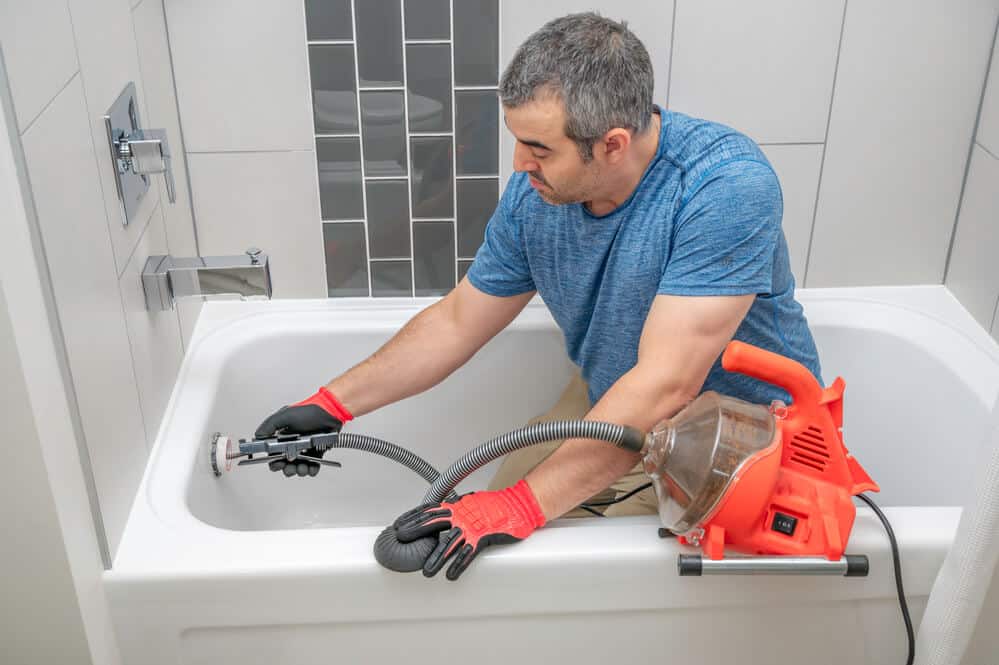 Start with contractors who focus specifically on bathroom renovations and repairs. Our team at Big Easy Bathrooms handles bathtub issues daily. We’ve seen every possible problem and know the best solutions. That specialized experience matters when diagnosing tricky issues.
Ask about their warranty or guarantee on repairs. Reputable contractors stand behind their work. If they won’t guarantee the repair will last, that tells you something about their confidence in the quality.
Request references from recent bathtub repair projects. Don’t just ask if they have references, actually call them. Ask whether the repair held up, if the contractor showed up when promised, and whether the final cost matched the estimate.
Verify they’re properly licensed and insured. In Louisiana, contractors need proper licensing for plumbing and renovation work. Insurance protects you if something goes wrong during the repair. Never hire someone who can’t prove both.
Get detailed written estimates before work begins. A professional estimate breaks down labor, materials, and any additional work that might be needed. Vague estimates that just give you a total number are red flags.
Some bathtub problems can wait a few days for a contractor’s availability. Others can’t.
Active, significant water leaks require immediate response. If water’s actively flowing where it shouldn’t and you can’t stop it by turning off the bathroom water supply, you’ve got an emergency. Water spreads quickly through floors and walls, causing exponential damage the longer it flows.
Sudden cracks that appear to be widening need immediate evaluation. A crack that was hairline yesterday but looks wider today indicates ongoing structural movement or pressure. This can lead to catastrophic failure where the tub literally breaks apart.
A gas smell near the gas water heaters serving the tub is a safety emergency. Turn off the gas supply and call professionals immediately. This isn’t just about bathtub repairs—it’s about preventing explosions or carbon monoxide poisoning.
Electrical issues combined with water presence create shock hazards. If outlets near the tub are sparking, if lights flicker when water runs, or if you feel any tingle when touching metal fixtures, shut off power to the bathroom and call professionals.
Sewage backup into the tub is both an emergency and a health hazard. This indicates serious drain line problems that can expose your family to dangerous pathogens.
Trust your gut. If something about your bathtub doesn’t seem right, it probably isn’t. Small problems don’t fix themselves; they grow into big ones.
Document what you’re seeing. Take photos of cracks, leaks, or damage. Note when you first noticed the problem and whether it’s changing. This information helps contractors diagnose issues and gives you a record if you need to file insurance claims.
Don’t let cost anxiety delay necessary repairs. Yes, calling a professional costs money. But the cost of not calling them often runs much higher. We’ve seen countless homeowners who spent hundreds trying DIY fixes, only to eventually spend thousands on professional repairs that could have cost hundreds if they’d called sooner.
When you’re ready to address your bathtub issues with experienced professionals who understand exactly what New Orleans homes need, Big Easy Bathrooms offers no-obligation free estimates. We’ll assess your situation honestly, explain your options clearly, and provide transparent pricing so you can make informed decisions about your bathroom.
Your bathtub problem isn’t going to improve on its own. But with the right professional help at the right time, you can fix it before it becomes a disaster.
Small, superficial surface scratches can sometimes be addressed with DIY repair kits, but actual cracks, even hairline ones, should be professionally evaluated. Cracks that penetrate through the tub’s surface layer allow water infiltration that creates hidden damage you won’t see until it’s severe. Professional repairs use materials and techniques that properly seal and stabilize cracks long-term.
Quality professional repairs on bathtubs can last 10-15 years or longer when properly maintained. Reglazing or refinishing typically lasts 10+ years with proper care. Crack repairs and leak fixes should be permanent when done correctly, though the tub’s overall condition and age affect longevity. The key is addressing problems early, before they compromise surrounding materials.
It depends on what caused the damage. Insurance typically covers sudden, accidental damage like a heavy object cracking the tub or a pipe bursting. It usually doesn’t cover wear and tear, gradual deterioration, or maintenance issues. Review your specific policy and document the damage thoroughly. If water damage has occurred beyond the tub itself, you’re more likely to have coverage.
Most bathtub repairs take 2-6 hours of actual work time, though refinishing requires curing time before you can use the tub again (usually 24-72 hours). Leak repairs and crack fixes often allow same-day or next-day use once materials set. Scheduling typically depends on contractor availability. Emergency repairs can often happen within 24-48 hours, while non-urgent work might be scheduled a week or two out.


