If cleaning the shower is the chore nobody in your house wants, the wall surface is a big part of the reason. Acrylic panels and tile both keep water in, but they ask for very different amounts of scrubbing.
Here’s how the two compare on cleaning, grout, mold and upkeep, from the team at Big Easy Bathrooms, so you can pick the surface that suits your home and the people using the shower.
Which is easier to clean, acrylic or tile?
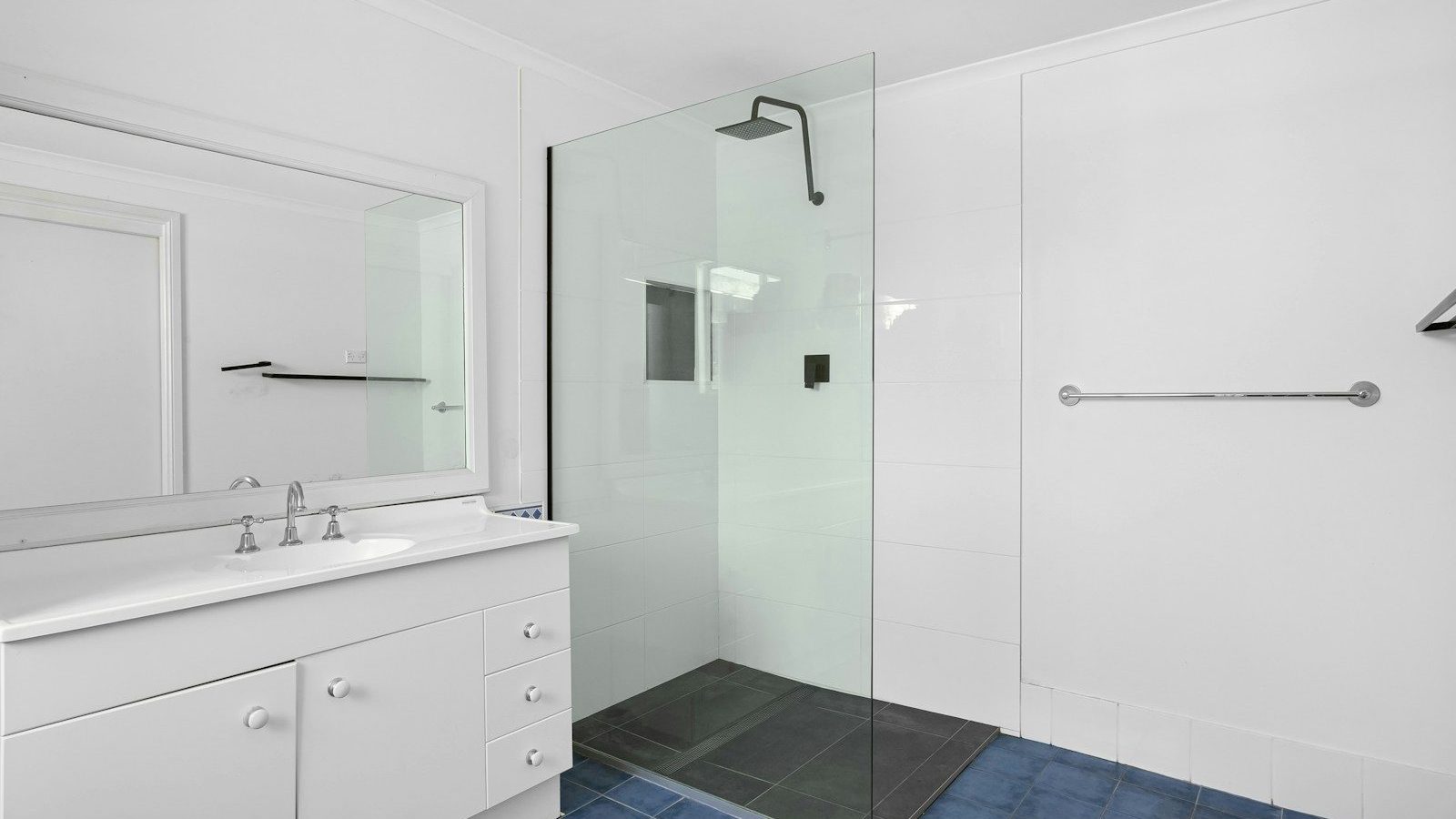
Acrylic is easier to clean for most households. Smooth panels have very few seams, while tile has grout lines that hold soap film and moisture.
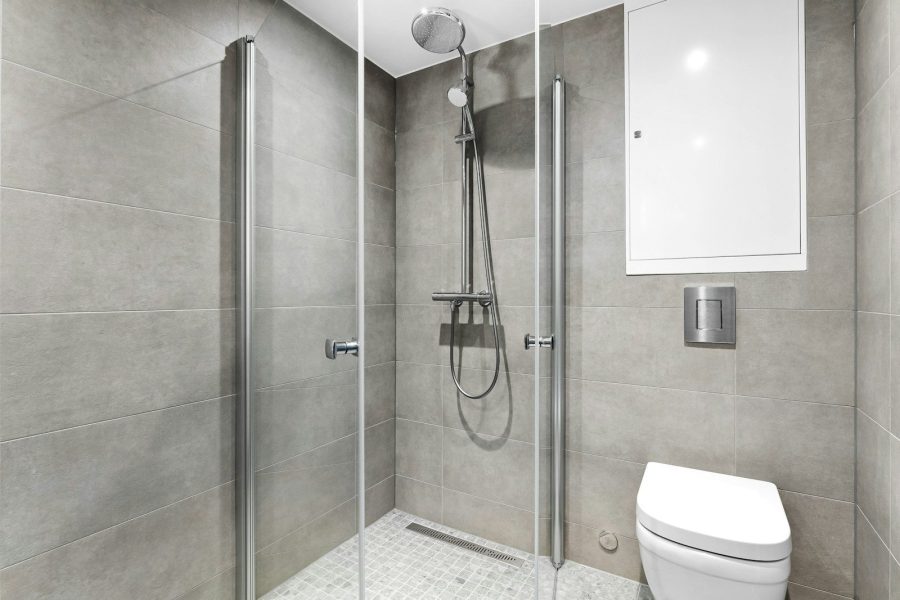
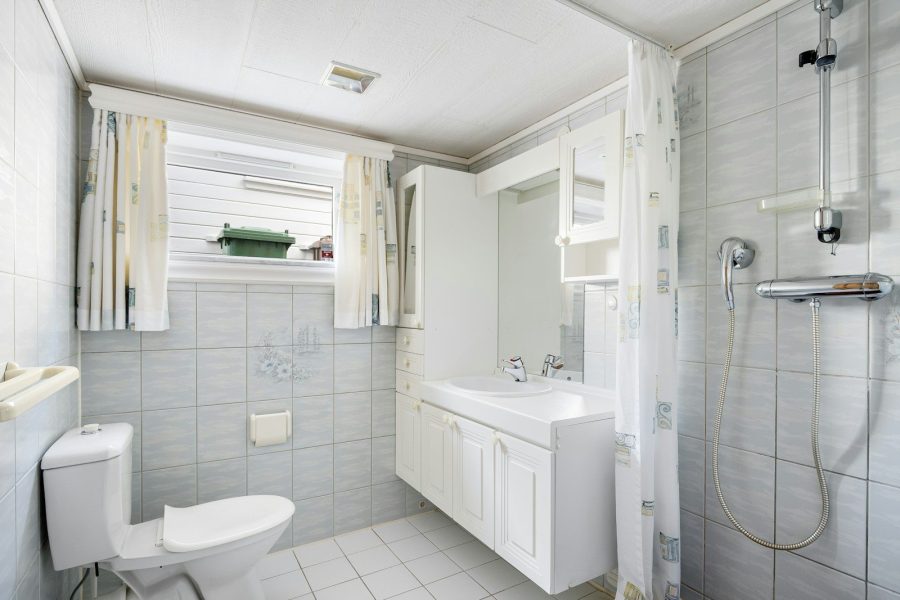
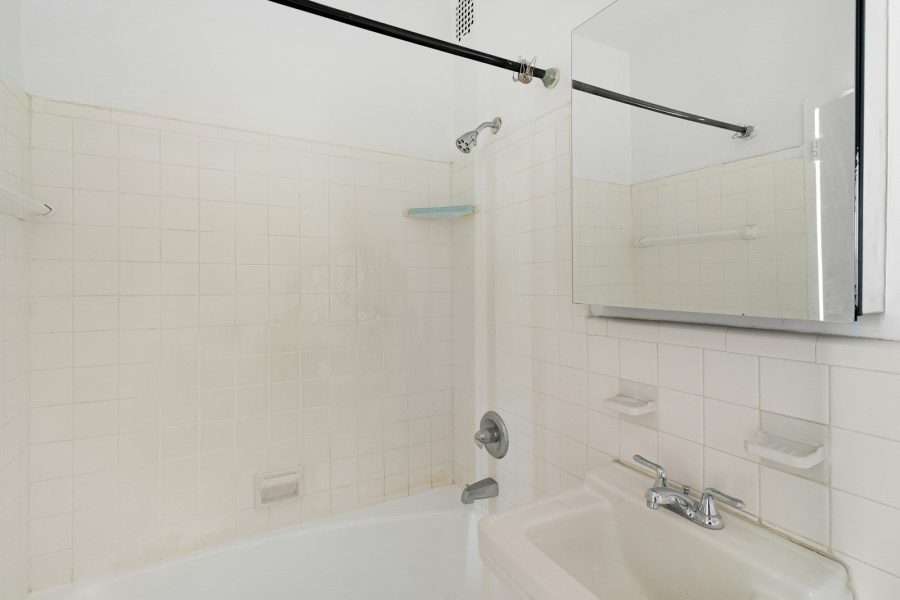
An acrylic wall usually needs a wipe with a non-abrasive cleaner. Tile walls need the same, plus attention to the grout, which is porous and stains if it isn’t sealed and kept up.
That difference grows in a humid climate, where a bathroom takes longer to dry out between showers.
How do acrylic walls and tile compare?
Acrylic wins on upkeep, and tile wins on design choice and custom features like niches and benches.
| Question | Acrylic walls | Tile |
|---|---|---|
| Seams | A few joints between large panels | A grout line around every tile |
| Everyday cleaning | Wipe with a non-abrasive cleaner | Wipe the tile and scrub the grout |
| Long-term upkeep | Re-caulk the joints when needed | Reseal grout and re-caulk the joints |
| Design choice | A set range of colors and finishes | Almost any size, color and pattern |
| Custom features | Molded shelves in some systems | Niches, benches and borders built in |
Neither is the right answer for every bathroom. The best choice depends on how much cleaning you want to do and how much design freedom you want.
Does tile always mean more mold?
No. Tile that’s well sealed, with a waterproof layer behind it and a bathroom that dries out, can stay clean for years. Mold follows moisture, whatever the surface.
Tile walls rely on what’s behind them. A waterproof membrane under the tile keeps water out of the wall, as we explain in our article on the role of shower liners in waterproofing.
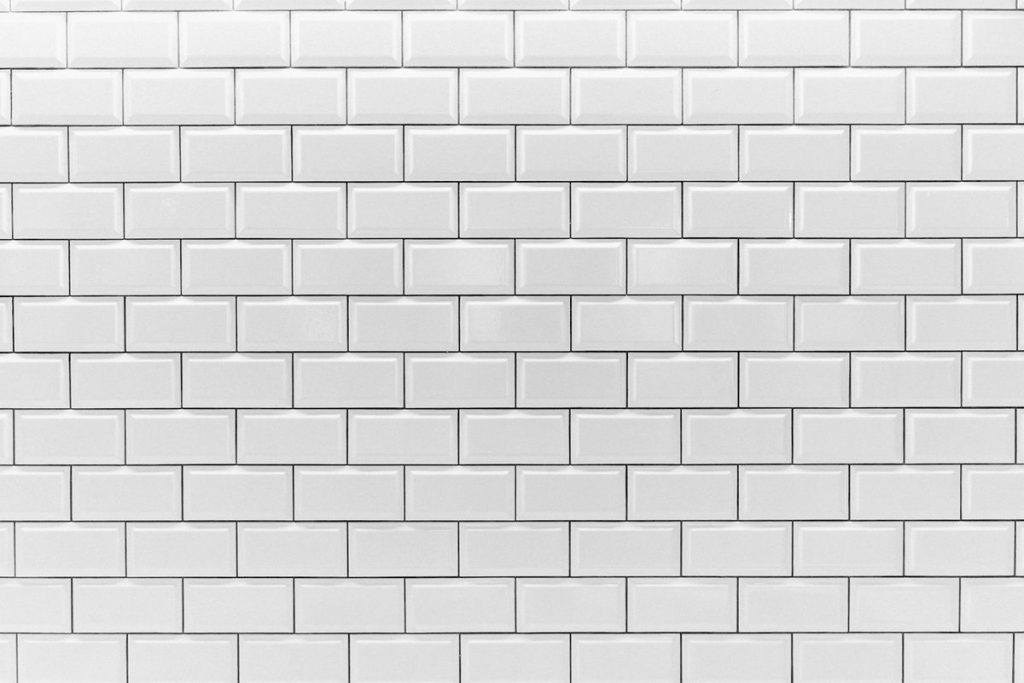
Larger tiles mean fewer grout lines, and a sealed grout resists stains. An exhaust fan that vents outdoors does the rest, whichever wall you choose.
What does the building code say about shower walls?
Both work. The residential code asks for a nonabsorbent surface on shower walls to at least 6 feet above the floor, and acrylic and properly installed tile both meet that.
The same rule covers the walls above a tub that has a shower head. It’s there to keep water out of the wall, which is the part of any shower you never want to repair.
Louisiana has used the 2021 International Residential Code for homes since January 1, 2023, so these basics apply to a new shower here.
What about the shower floor?
The floor is a separate choice from the walls, and it matters more for safety. You can pair acrylic walls with a tiled floor, or tile walls with a molded base.
The main options are a tiled shower base, a molded stone base, or an acrylic or fiberglass shower pan, each with its own look, grip and price. Molded stone adds grip and slip resistance, and acrylic is light, easy to clean and resists chips and cracks.
Whichever you choose, ask how the floor surface grips when it’s wet and soapy, not only how it looks dry.
Which one fits your bathroom?
Choose acrylic if easy cleaning comes first, and tile if you want a custom look or built-in features. Many homes use both, such as tile on the floor and acrylic on the walls.
- Acrylic suits a busy family bathroom, a rental, or anyone who wants less scrubbing.
- Acrylic also suits odd-sized showers, since pre-made surrounds come in many sizes.
- Tile suits a shower with a niche, a bench or a particular design in mind.
- Tile suits a floor where you want small tiles for extra grip.
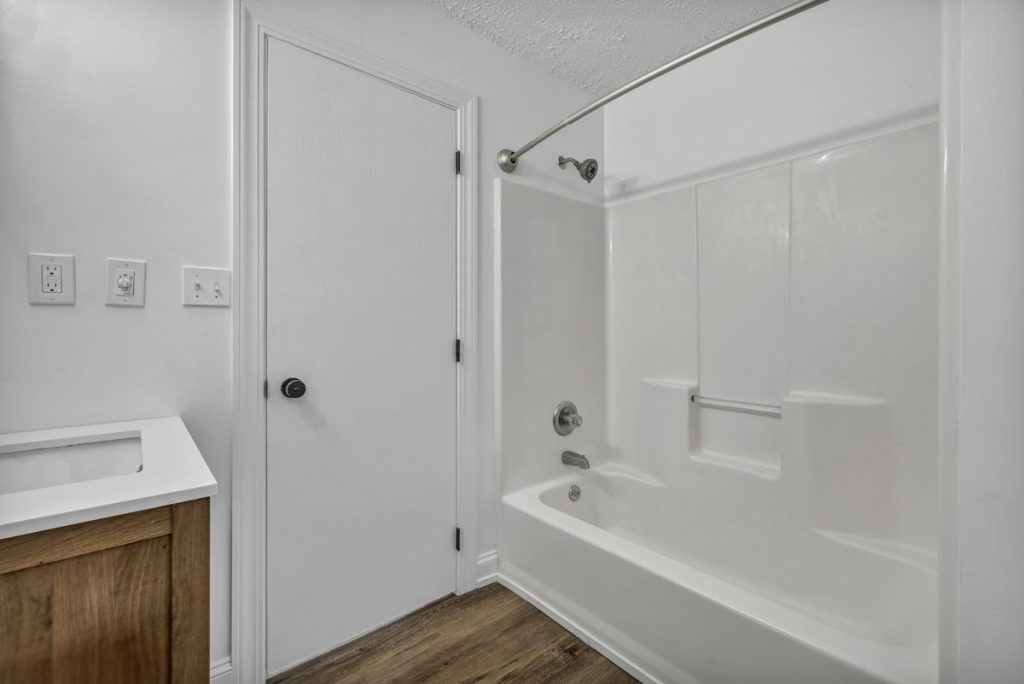
We install custom tile showers and pre-made acrylic or fiberglass shower surrounds. If you keep a tub-shower with a curtain, our shower curtain liners help keep water off the floor. To compare options for your shower, contact Big Easy Bathrooms or call 504-688-7786 for a free estimate.
Frequently asked questions
Do acrylic shower walls look cheap?
Not necessarily. Many acrylic systems come in finishes that look like stone or tile, and the smooth panels read as clean and modern. Seeing samples in person is the best way to judge.
Can acrylic panels go over existing tile?
Some systems can, but it depends on the condition of the tile and the wall behind it. If water has already gotten behind the tile, the damaged wall should be repaired first.
How do I clean acrylic shower walls without scratching them?
Use a soft cloth or sponge and a non-abrasive cleaner, and skip scouring pads and gritty powders. Rinse and wipe the walls dry to keep water spots from building up.
Is tile or acrylic better for a walk-in shower?
Both work well. Acrylic keeps cleaning simple, while tile allows a built-in bench, niches and a custom floor. Some walk-in showers pair acrylic walls with a tiled or molded base.