
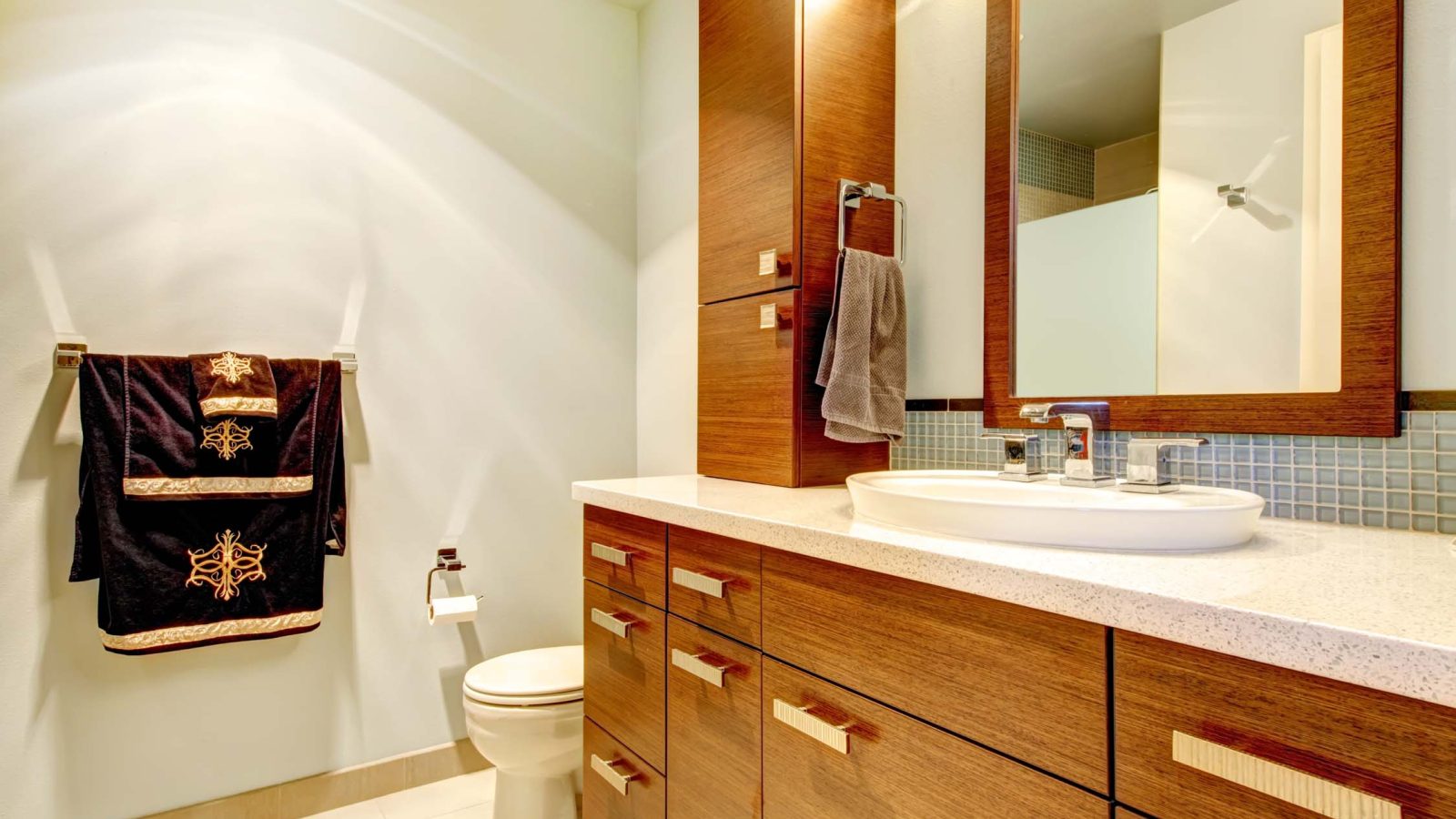
Are you planning a bathroom renovation but don’t know where to start? There are many common mistakes people make when it comes to designing and renovating bathrooms. From planning, design, installation, and decorating blunders, there are plenty of pitfalls that can lead to costly repairs down the road.
Whether your bathroom is small or large, avoiding these common bathroom design mistakes will help ensure a successful project. Read on for our top tips on what not to do to get the most out of your remodel!
Planning Mistakes

When planning a bathroom renovation, it is important to consider the size of the room and how that will affect your design choices. A small bathroom may not be able to accommodate all of the features you want, so it’s important to prioritize what you need most. If there isn’t enough space for everything, look into creative storage solutions such as built-in shelves or wall-mounted cabinets.
Ignoring the plumbing layout can also lead to costly mistakes down the line. Before beginning any renovations, make sure you understand where existing pipes are located and how they could impact your plans. This includes checking for potential water damage from old pipes that may need replacing before starting any work on your new bathroom design.
Overlooking storage needs is another common mistake when renovating a bathroom. It is easy to get caught up in aesthetics, but practicality should not be forgotten either. Make sure there is adequate space for towels, toiletries, and other items that will be used regularly in this area of your home; otherwise, clutter can quickly build up and ruin an otherwise beautiful design.
By taking the time to plan out your bathroom design carefully, you can avoid common mistakes and create a space that is both functional and aesthetically pleasing.
Design Flaws
When it comes to designing a bathroom, many elements need to be taken into consideration. Poor lighting choices, unsuitable flooring options, and inadequate ventilation systems can all lead to design flaws in the finished product. Taking the time to research these elements before beginning a project can help ensure a successful outcome.
Poor Lighting Choices: Bathrooms need to have adequate lighting that is both functional and aesthetically pleasing. Too much or too little light can create an unpleasant atmosphere and make tasks such as shaving or applying makeup difficult. Natural light should also be considered when possible; skylights or windows are great additions that allow natural light in while still providing privacy from outside observers.
Unsuitable Flooring Options: The type of flooring chosen for a bathroom needs to be able to withstand moisture and humidity without becoming slippery or discolored over time. Materials such as tile, stone, vinyl, laminate, cork, and bamboo are all suitable options depending on budget and style preferences. Carpet should generally be avoided due to its tendency to absorb water which could cause mold growth if not properly maintained over time.
Bathrooms require proper ventilation to stay dry and free of odors caused by excess moisture buildup from showers or baths. Exhaust fans with timers should be installed near showers so they will automatically turn on after each use; this helps prevent mold growth caused by steamy air lingering inside the room for too long after showering has concluded.
By avoiding these common design flaws, homeowners can ensure their bathrooms are well-lit, comfortable, and properly ventilated for years to come. Next up, we’ll discuss how to select the right materials for your bathroom to remodel.
Installation Errors
When it comes to bathroom renovations, installation errors can be costly and time-consuming. Incorrectly installed fixtures and fittings, poorly positioned appliances and accessories, and faulty electrical wiring are all common mistakes that should be avoided.
- Incorrectly Installed Fixtures and Fittings: When installing a new sink or toilet in your bathroom, it is important to make sure they are securely fastened to the wall or floor. If not properly secured, these items could become loose over time which could lead to water damage or other issues. It is also important to check for any leaks around the fixtures before completing the job.
- Poorly Positioned Appliances and Accessories: The placement of appliances such as showers, bathtubs, sinks, etc., should always be carefully considered when designing a bathroom layout. Poor placement can cause problems with accessibility as well as create an unbalanced look in the room’s design.
- Faulty Electrical Wiring: Faulty electrical wiring is another common mistake made during bathroom renovations that can have serious consequences if left unchecked. All wires must be correctly connected according to safety standards set by local building codes for them to function properly without posing a risk of fire or shock hazard.
Additionally, all exposed wires should be covered with appropriate insulation material so they do not come into contact with moisture from water sources such as showers or bathtubs which could lead to short circuits causing electric shocks or fires.
You must hire experienced professionals who know how to best install these items for the best results when renovating your bathroom space; otherwise, you may end up having costly repairs down the line due to improper installations done initially.
Incorrect installation of fixtures, fittings, appliances, and accessories can lead to costly repairs down the line. Therefore, it is important to ensure that your bathroom contractor has experience and expertise in properly installing these items for a safe and successful renovation project.
Decorating Blunders

Clashing Color Schemes and Patterns: One of the most common decorating blunders when designing a bathroom is using clashing color schemes and patterns. While it can be tempting to combine different colors, textures, and prints in one space, this often leads to an overwhelming look that detracts from the overall aesthetic.
To avoid this mistake, stick with two or three complementary colors for your walls and flooring. Additionally, try not to mix too many patterns; instead, opt for a few subtle accents that will tie everything together without looking busy.
Uncoordinated Furniture and Accessories: Another common mistake people make when designing their bathrooms is choosing furniture and accessories that don’t match each other or the overall design of the room. For example, having mismatched towels on display or placing an ornate mirror next to a modern vanity can create an unbalanced look that doesn’t flow well with the rest of the décor. To ensure all pi