If you plan to stay in your home for years to come, the bathroom is usually the first room that needs a rethink. For many New Orleans homeowners, that decision comes down to a walk-in tub or a barrier-free shower. Both remove the tall tub wall that causes most bathroom struggles, but they solve different problems.
A barrier-free shower is usually the better choice for wheelchair users, caregivers who assist with bathing, and small bathrooms because it removes every step and threshold. A walk-in tub is the better fit for people who want seated soaking, hydrotherapy jets, or relief for sore joints. Mobility, space, and bathing preference decide it.
Not sure which one fits your home and routine? Call Big Easy Bathrooms at (504) 688-7786 to schedule a free in-home estimate.
What Is the Difference Between a Walk-In Tub and a Barrier-Free Shower?
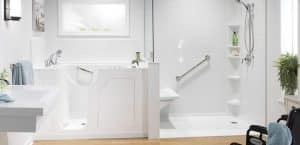
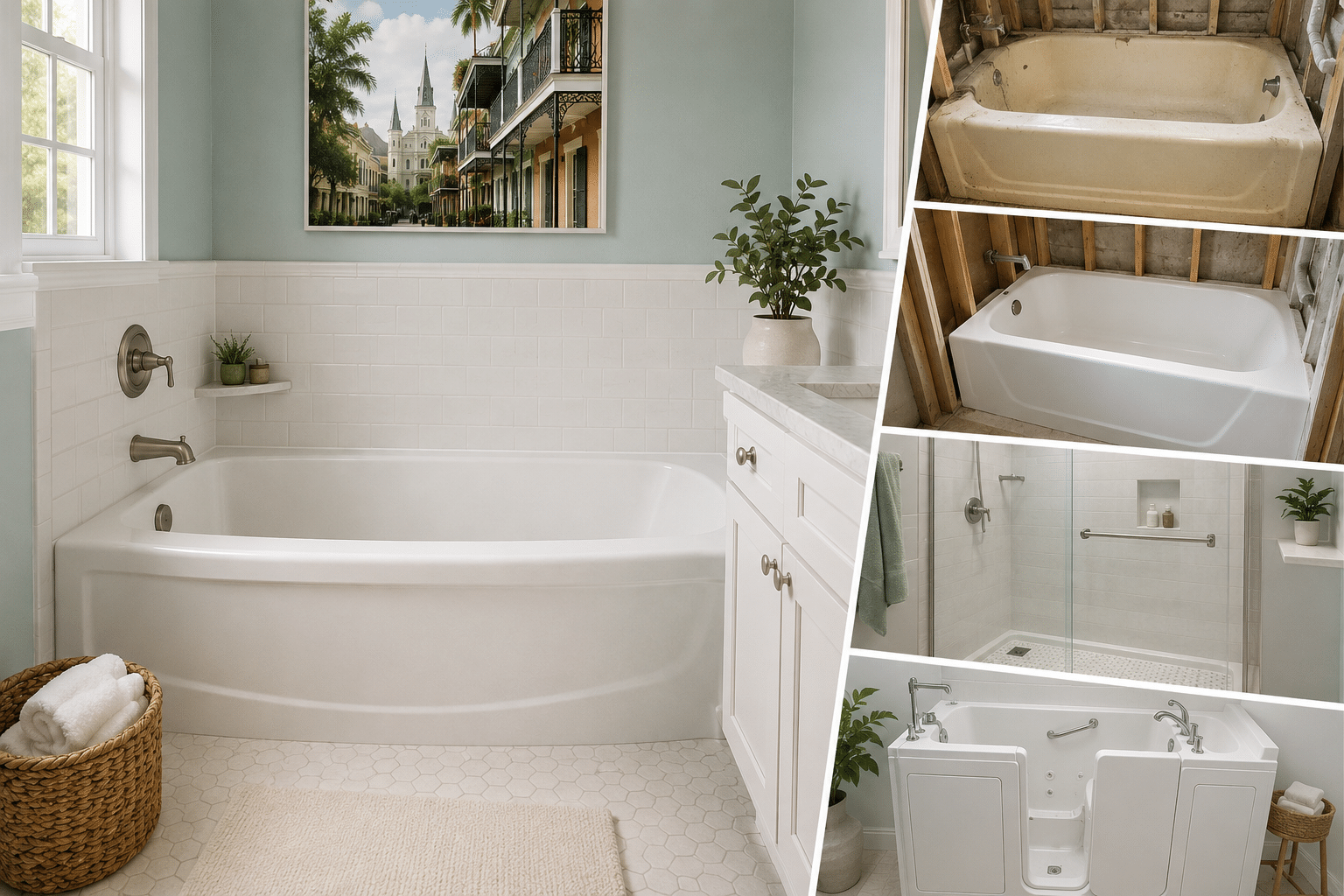
A walk-in tub is a deep bathtub with a watertight door built into its side. Instead of climbing over a wall, you open the door, step over a low threshold, and bathe from a built-in seat while the tub fills and drains. Professional walk-in tub installation typically includes grab bars, a handheld sprayer, and options like heated seating or air jets.
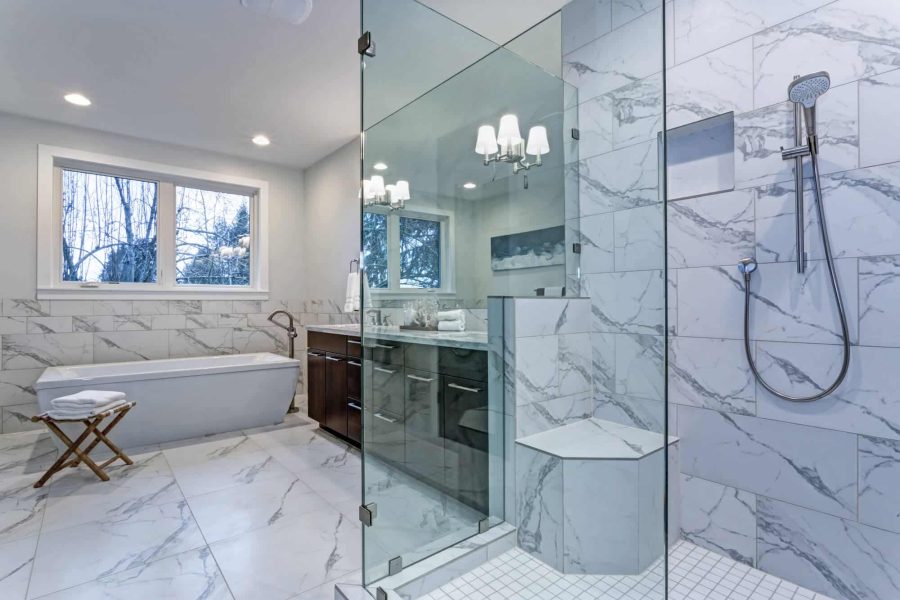
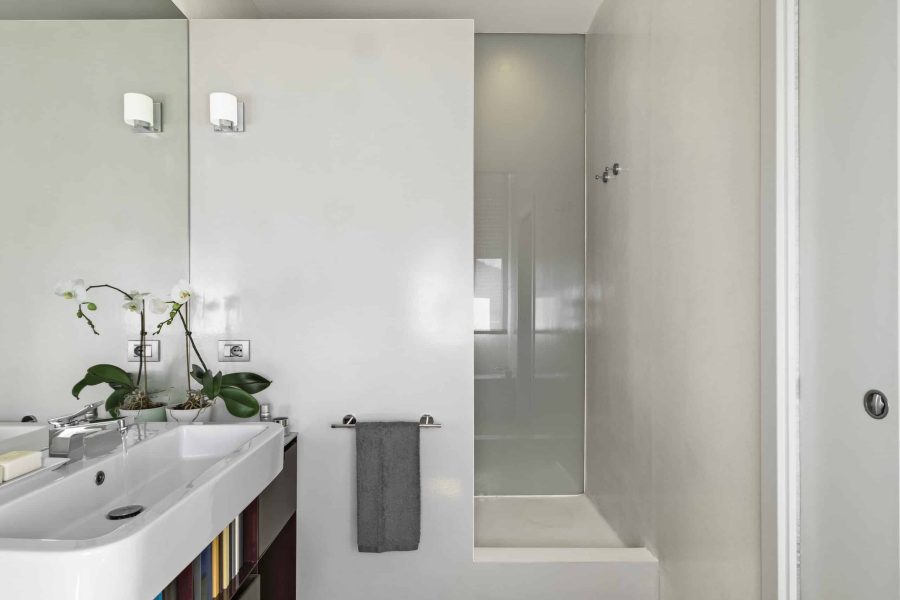
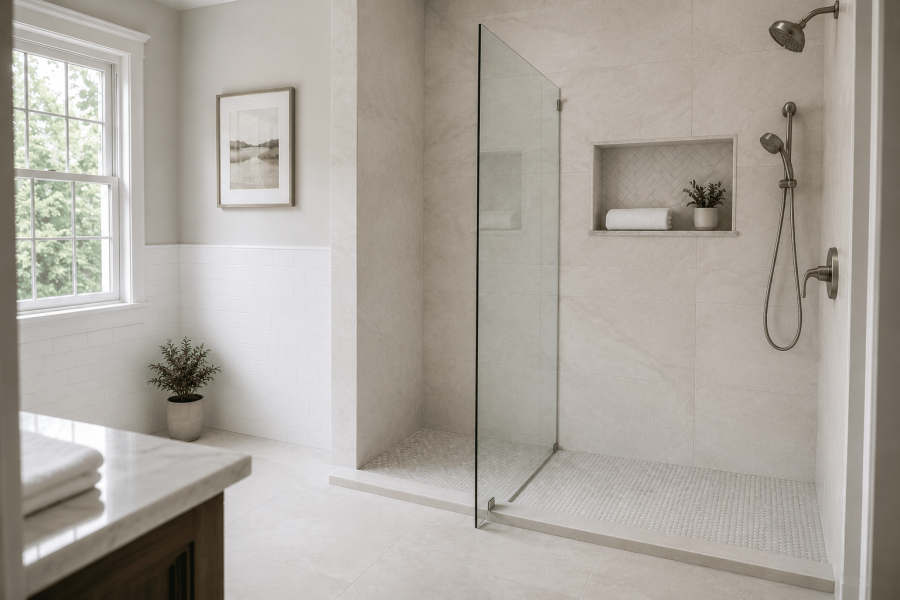
A barrier-free shower, sometimes called a curbless or zero-threshold shower, removes the curb at the shower entry entirely. The floor slopes gently toward the drain, so there is nothing to step over at all. That open layout is the reason barrier-free shower design has become the standard for accessibility remodels.
The short version: a walk-in tub is built for seated soaking, while a barrier-free shower is built for effortless entry. Which one wins depends on how you bathe and how you move.
When a Walk-In Tub Makes More Sense
A walk-in tub earns its place when bathing itself is the point, not just getting clean. Warm soaking feels soothing on stiff joints, and hydrotherapy jets add gentle massage without a trip to a spa.
A walk-in tub tends to be the better fit if you:
- Prefer baths over showers and want to keep soaking safely
- Want hydrotherapy or air jets for everyday comfort
- Feel steadier bathing from a seated position
- Have a standard tub space available, since most walk-in tubs install in the same footprint
- Find standing through a full shower tiring
If you are weighing different tub styles, our comparison of walk-in and step-in tubs breaks down how the two entry types differ.
When a Barrier-Free Shower Is the Better Fit
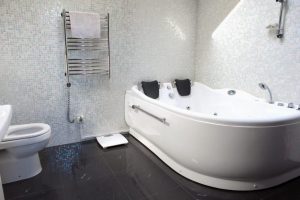
A barrier-free shower removes the single biggest obstacle in the bathroom: the step. That matters for anyone who uses a walker or wheelchair, and it matters just as much for caregivers who help with bathing.
A barrier-free shower usually wins if you:
- Use a walker or wheelchair, or expect to in the coming years
- Want quick, easy daily bathing rather than a soak
- Share the bathroom with family members who prefer showers
- Have a compact bathroom, since an open shower can make a small room feel larger
- Want simpler cleaning with fewer edges, doors, and tracks
Benches, grab bars, handheld sprayers, and low-maintenance wall systems can all be planned in from the start. For layout inspiration, see our curbless shower entry ideas.
Which Is Safer for an Aging Parent Who Lives Alone?
Neither option is automatically safer. Safety comes from matching the bathroom to the person’s mobility, balance, and routine, both today and a few years from now.
For a parent who can still manage a low threshold and loves a bath, a walk-in tub keeps a familiar routine while removing the dangerous climb. For a parent with balance concerns, or one who may need help from a caregiver later, a barrier-free shower gives open access and room for a second person to assist.
Features matter as much as the fixture itself. Grab bars at the entry and beside the seat, non-slip flooring, good lighting, and a handheld sprayer within reach make either choice a genuinely safer bathroom.
If you are deciding on behalf of a parent, walk through their actual routine before choosing. A professional assessment during a free in-home estimate catches details families miss, like door swing, water heater capacity, and turning space.
How Do You Decide? A Simple Checklist for New Orleans Homes
Our New Orleans bathroom remodeling team walks homeowners through the same five questions on nearly every accessibility project:
- Mobility, now and later. Plan for how you will move in five years, not just today.
- Who helps with bathing. Caregivers need open access, which favors a shower.
- Soak or rinse. Bath lovers miss a tub more than they expect to.
- Space and layout. If your bathroom is compact, an open shower usually makes better use of the room.
- Everyone else in the house. The right choice serves the whole household, not just one person.
Humidity deserves a thought too. In a climate as damp as South Louisiana’s, good ventilation and moisture-tolerant wall materials help either option stay fresh and easier to maintain.
Talk Through Both Options With Big Easy Bathrooms
Big Easy Bathrooms installs walk-in tubs and barrier-free showers across Greater New Orleans and the North Shore, including Metairie, Slidell, Mandeville, Covington, Hammond, Madisonville, and Abita Springs. Every project starts with a free in-home estimate, and there is no obligation attached.
You get one local team from concept to completion, a clean job site, and work backed by a 100% satisfaction guarantee. Our 5-star client reviews come from homeowners who faced this exact decision.
Schedule your free in-home estimate online, or call (504) 688-7786 to talk through your bathroom with a local specialist.
Frequently Asked Questions
The door must stay closed while the tub fills and drains, so you sit inside during both, and the wait can feel long on a cool morning. Walk-in tubs also use more hot water than a shower, which is worth checking against your water heater’s capacity. For wheelchair users, a tub transfer is still harder than rolling into an open shower.
Original Medicare generally treats bathroom updates as home modifications rather than medical equipment, so it usually does not pay for them. Some Medicare Advantage plans, veterans benefits, and state assistance programs may offer partial help depending on eligibility. Confirm the details with your plan before counting on coverage.
A tub-to-shower conversion is the most popular alternative: it replaces the tub entirely with an easy-entry shower. Adding grab bars, a bench, and a handheld sprayer to an existing shower is a smaller step that improves safety right away. The right fit depends on mobility and how the bathroom gets used day to day.
Yes. A roll-in shower is a barrier-free design with a wider entry, a threshold-free floor, and space planned for a chair or a fold-down bench. Grab bar placement and fixture heights are designed around the person who will use them.
Usually, yes. Most walk-in tubs are designed to install within a standard tub footprint, so a full bathroom remodel is not required. An in-home assessment confirms the measurements, door swing, and plumbing before anything is ordered.