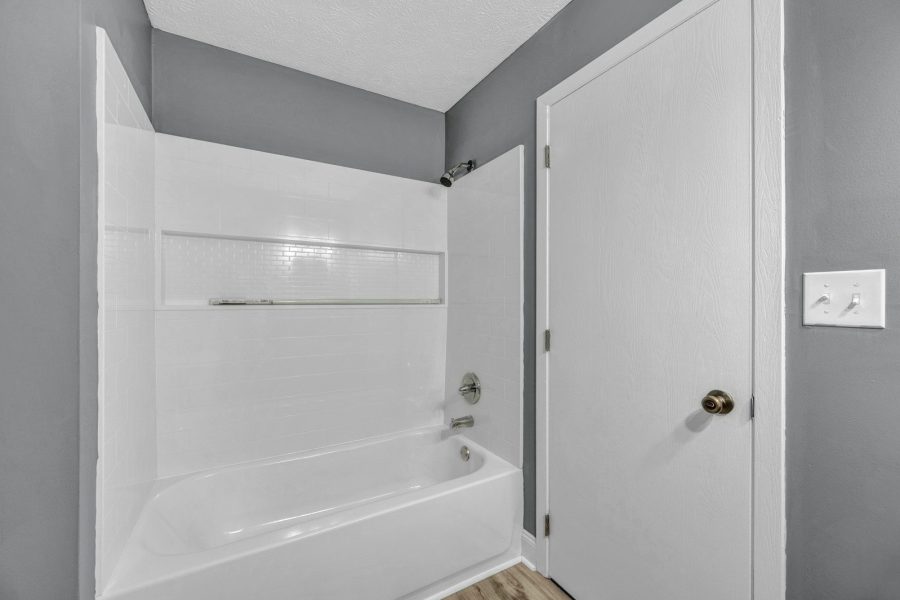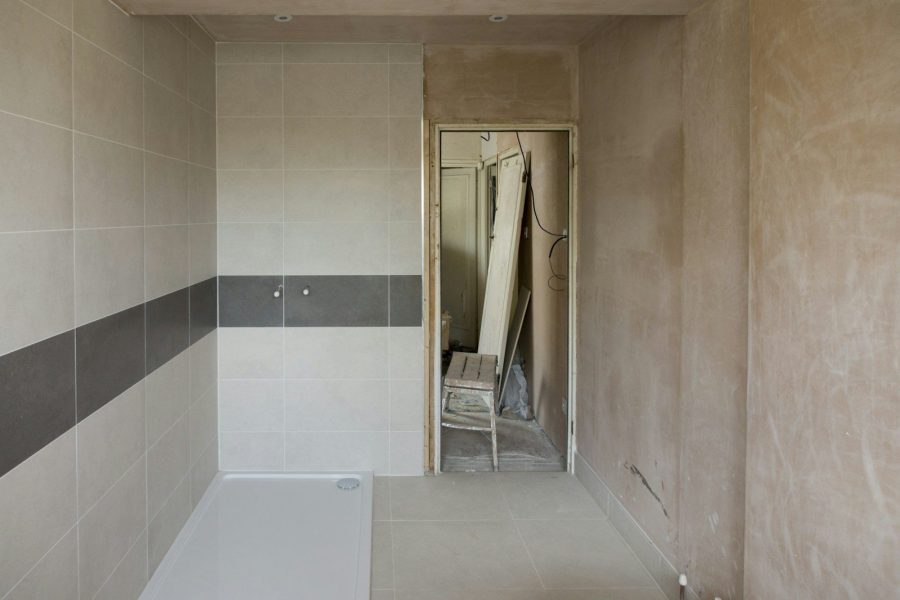
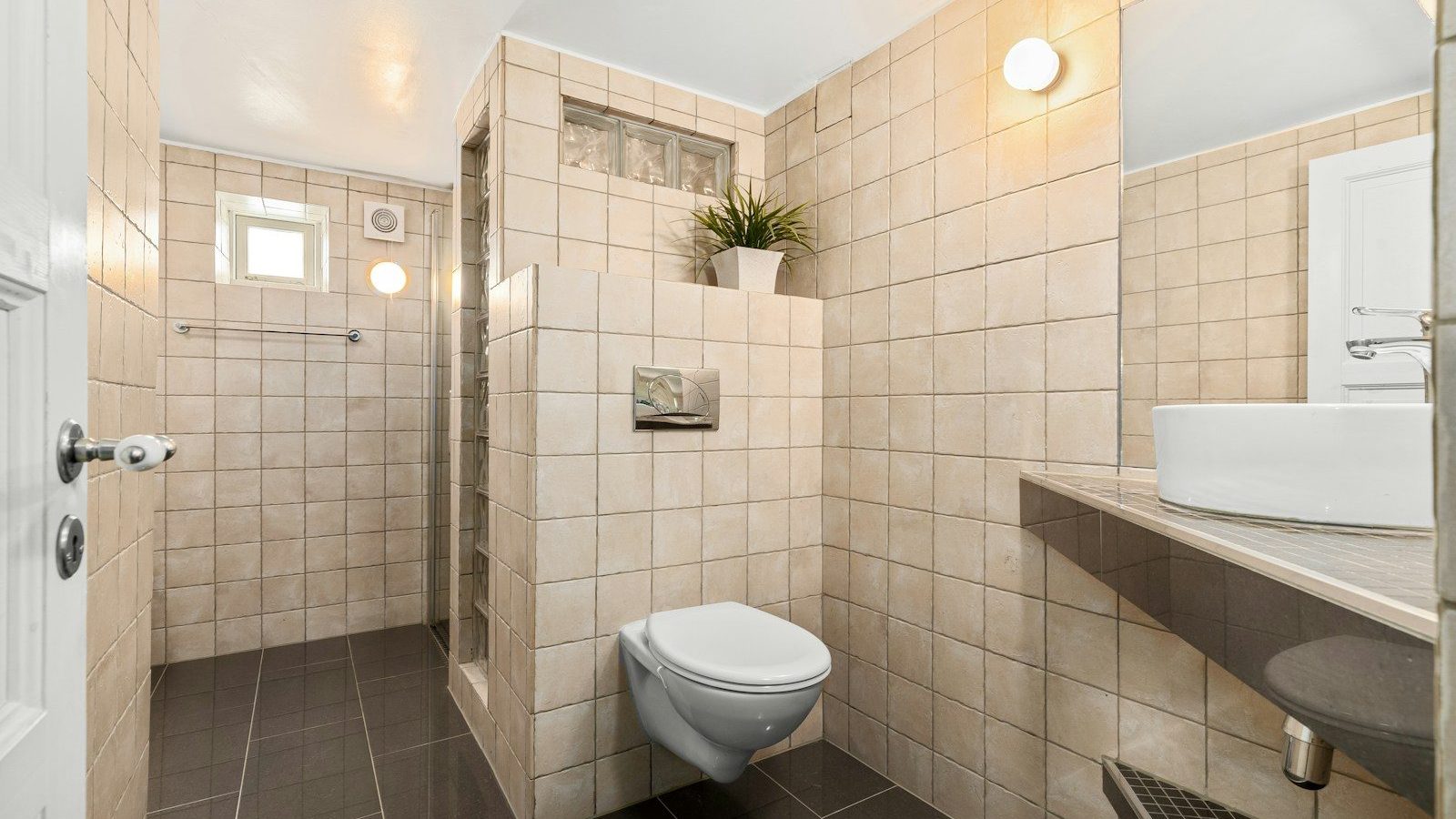
“Wet room” is a term you’ll see more and more in design magazines and on home shows, often borrowed from British bathrooms. It describes a whole bathroom built to get wet, with the shower open to the rest of the room.
This guide from Big Easy Bathrooms explains what a wet room is, how it differs from a walk-in shower, and what each one means for a humid Louisiana home and for everyday safety.
What is a wet room?
A wet room is a bathroom where the shower is open to the rest of the room, with no tray or curb, and the whole floor is waterproofed and slopes toward a drain.
Instead of containing the water inside a shower stall, a wet room treats the entire bathroom as the wet area. The toilet, the sink and everything else share the same waterproofed floor.
In the United States, you’ll often hear the same idea described as an open or curbless shower, though a true wet room waterproofs far more of the room.
How is a wet room different from a walk-in shower?
A walk-in shower keeps the water in a defined shower area with a low curb or a glass panel. A wet room lets the water reach the whole floor and relies on waterproofing everywhere.
| Question | Wet room | Walk-in shower |
|---|---|---|
| Where water goes | Across the whole floor to a drain | Stays in the shower area |
| Waterproofing | The whole floor and the lower walls | The shower walls and floor |
| Entry | No step anywhere | A low curb, or none in a curbless design |
| After a shower | The floor, and often the toilet and towels, get wet | The rest of the bathroom stays mostly dry |
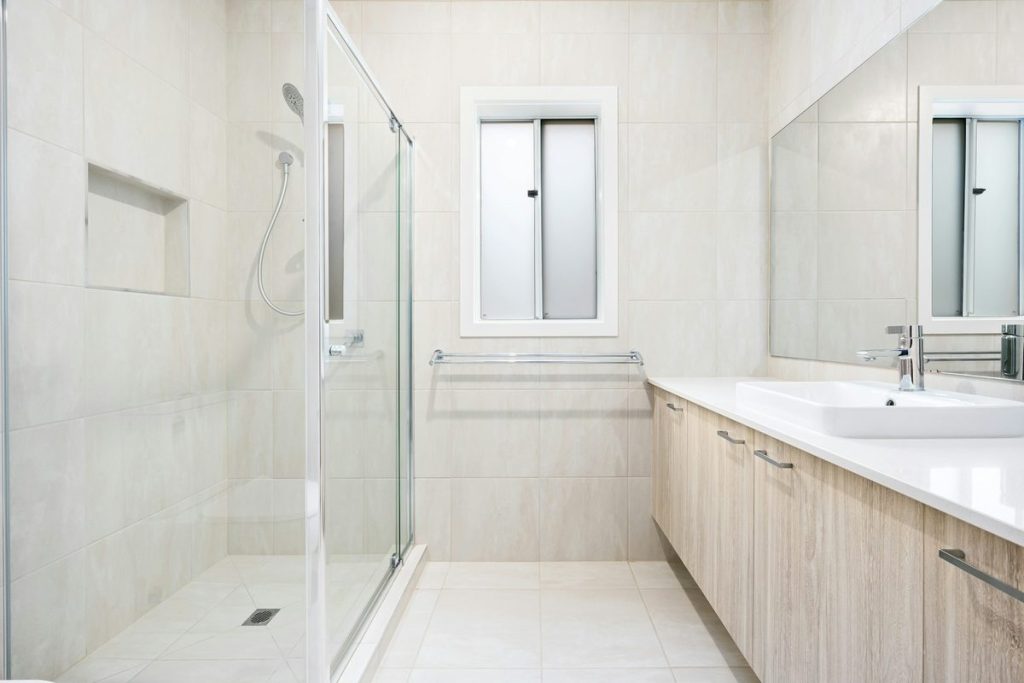
A curbless walk-in shower sits between the two: a level entry like a wet room, with the water still kept to the shower area.
What should a Louisiana home consider?
Humidity. A wet room puts water across the whole floor, and in a damp climate that floor and everything near it takes longer to dry.
Long-term NOAA records for New Orleans show average relative humidity of 87 percent at 6 a.m. and 62 percent at noon. A room that’s wet from wall to wall needs strong ventilation to dry out between uses.
The EPA’s moisture guidance calls for bathroom exhaust fans that move moisture outdoors, not into the attic. In a wet room, that fan works harder than in a room with a contained shower.
Construction matters too. Every wet area needs a waterproof surface, and the residential code asks for nonabsorbent walls in shower areas to at least 6 feet above the floor.
Is a wet room good for aging in place?
The level floor is a real plus, but a wet floor across the whole room can be a slip risk on the way to the toilet or the sink.
For someone with balance problems, that tradeoff matters. The goal is a level entry without turning the whole bathroom into a wet surface, especially on the path between the shower, the toilet and the door.
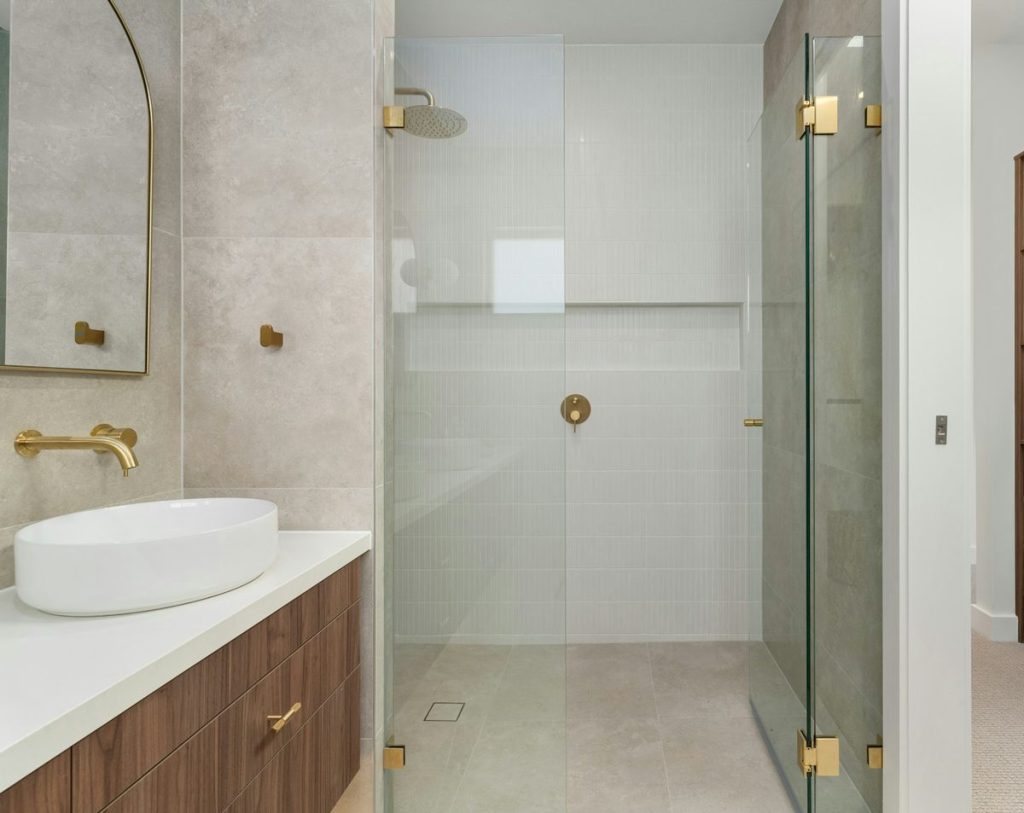
That’s why many accessible bathrooms use a barrier-free shower instead, as we describe in our guide to creating an accessible bathroom with a barrier-free shower.
What’s a practical middle ground?
A curbless, barrier-free shower gives you the level entry of a wet room while keeping the water in one area of the floor.
- A level floor that slopes gently to the drain inside the shower area.
- A fixed glass panel or curtain to keep spray off the rest of the room.
- Grab bars and a seat, so the person using it can sit and steady themselves.
- A floor surface that grips when it’s wet.
Our barrier-free showers have a level, roll-in floor, grab bars and a shower seat, and our walk-in showers offer a low entry with a glass door or panel. To see which suits your home, contact Big Easy Bathrooms or call 504-688-7786 for a free estimate.
Frequently asked questions
What does “wet room” mean in the United States?
It usually means a bathroom where the shower is open to the room, with no curb or tray, and the floor is waterproofed and sloped to a drain. You’ll also hear the idea called an open or curbless shower.
Do wet rooms leak?
A wet room depends entirely on its waterproofing, because water reaches the whole floor. If the membrane or the floor slope is wrong, water can get into the structure, so the build quality matters more than in a contained shower.
Is a curbless shower the same as a wet room?
Not quite. A curbless shower has a level entry but keeps the water in the shower area, often behind a glass panel. A wet room lets the water reach the whole bathroom floor.
Can a small bathroom work as a wet room?
It can, since there’s no shower stall taking up space. The downside is that everything in a small room gets wet, so a curbless shower with a glass panel is often the easier choice to live with.
Which is easier to keep dry in a humid climate?
A walk-in or curbless shower, since only the shower area gets wet. The rest of the bathroom stays drier, which helps in a damp climate like ours.